
The ROI of Kindness: Lessons from the Chicago Stockyards
Discover the ROI of kindness. Combining lessons from the 1965 Chicago Stock Yards with modern data, I show how working on your capacity to be kind is a strategic advantage for leaders.
David Buechner
12/17/20252 min read
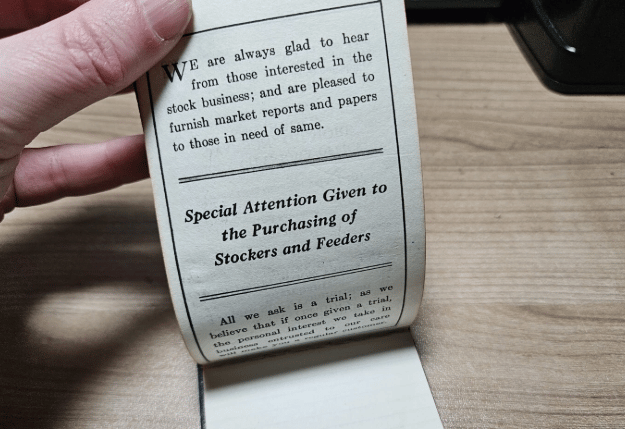

My grandfather was a partner in a livestock trading company at the Chicago Stock Yards on the South Side. In 1965, they distributed a simple notebook to prospective customers as a "give-away." On the first page, it didn't list prices or boast about volume. Instead, it carried this message:
"All we ask is a trial; as we believe once given a trial, the personal interest we take in business entrusted to our care will make you a regular customer."
It was a promise of kindness. It promised care, personal interest, and a relationship that had to be earned.
Fifty years later, the data caught up to my grandfather's intuition. In 2016, Stephen Covey and Douglas Conant found that trustworthy companies "beat the average annualized returns of the S&P 500 by a factor of three." (1) The study posits that leaders build this trust by mastering three behaviors: declaring intent, demonstrating respect, and delivering results.
I use "Kindness" as an umbrella term that incorporates those 3 behaviors and more. Kindness includes assertiveness, consistency, and clarity. It means listening deeply. It means standing with employees as they strive to accomplish goals—even when they make mistakes.
Somewhere along the way, kindness was co-opted. It fell out of vogue, dismissed as "soft" or "easy." But anyone who has led a team through a crisis knows the truth: being trustworthy, clear, and respectful is anything but easy. Kindness requires us to manage our own internal demons and stand firm in unpopular circumstances.
You want to be kind because it feels good, yes. But you should also want to be kind because it is your ultimate competitive advantage.
If you are ready to improve your effectiveness by sharpening your "kindness skills," let’s talk. As my grandfather wrote: "All we ask is a trial." When you do, I am confident the personal interest I take in your success will make you a regular partner.
Read Next: Staying kind under pressure requires resilience. Read my guide on Resilient Leadership to learn how to maintain your intent when the heat is on.
(1) https://hbr.org/2016/07/the-connection-between-employee-trust-and-financial-performance